


a therapy first conference
Identities in the Therapy Room: What Is Unfolding?
New York City | October 17-18, 2026
In the 21st century, mental health professionals are working in an unprecedented landscape shaped by rapid social, cultural, and technological change. These changes are transforming how identities develop, how gender and the body are experienced, and how relationships are formed and navigated. This moment raises important questions for clinicians to grapple with.
What forces now act upon the unfolding psyche? To what extent do long-held developmental understandings still hold, and how might they require refinement? Do our ideas about identity need rethinking in light of the lived realities of youth today? What do therapists need in order to be professionally and culturally competent in caring for them? What is the role of the therapist at a time when our very understanding of selfhood is in flux?
This conference marks the first time high-caliber mental health clinicians from diverse perspectives will come together to find the common ground our profession urgently needs.
Join us in meeting one of the most pressing challenges facing youth today.
Featuring Alessandra Lemma, Lisa Marchiano, Jonathan Shedler, Laurel Silber, Amy Tishelman, and Eric Yarbrough, among 27 distinguished speakers.
FINDING COMMON GROUND
By finding common ground, clinicians are better equipped to serve their patients. Identities in the Therapy Room: What Is Unfolding? gathers clinicians from across a diverse field to share knowledge and skills for everyday clinical work with youth experiencing gender dysphoria.
REGISTRATION:
$695
*includes one-year of free membership
Space is limited. Attendance is by application only, open to mental health professionals. Group rates available (inquire at [email protected]). Students are invited to apply for access to student discounts.
PROGRAM SCHEDULE
| 8:30am – 9:00am | Registration and Breakfast |
| 9:00am – 9:15am | Opening Remarks Paul Garcia-Ryan |
| 9:20am – 9:40am | The Responsibility of Clinical Curiosity: Listening for Meaning in Transgender Identities Sasha Ayad |
| 9:45am – 10:50am | The Importance of Finding Common Ground Erica Anderson Discussants: Anna Hutchinson, Mor Keshet, & David Schweichler |
| 10:50am – 11:05am | Break |
| 11:05am – 11:55am | Formulating Ghosts at Adolescence: Psychotherapy with the Attachment Context in Mind Laurel Silber Discussant: Noelle Burton |
| 12:00pm – 12:20pm | Digitally Mediated Identities: Psychotherapy, Subjectivity, and the Self Aaron Balick |
| 12:30pm – 1:30pm | Lunch |
| 1:30pm – 2:30pm | The Fundamentals of Psychotherapy: What They Are And Why They Matter Jonathan Shedler |
| 2:35pm – 2:55pm | The Technofascist Subject and the Human Therapist as Guardian of Fantasy Shirin Sajadi |
| 2:55pm – 3:10pm | Break |
| 3:10pm – 3:30pm | Narrative Identity in the Internet Age: Clinical Reflections Lisa Marchiano |
| 3:35pm – 5:00pm | What Questions Are Emerging? Sophie Frost, David Schwartz, & Rebecca Todd Discussion w/ Audience |
| 5:00pm – 6:00pm | Reception |
| 8:30am – 9:00am | Breakfast |
| 9:00am – 9:20am | Opening Audience Discussion |
| 9:20am – 10:25am | From Scrolling Through to Working Through: Adolescence, Algorithms, and the Search for Coherence Alessandra Lemma Discussants: Aaron Balick & Tracy Schachter |
| 10:25am – 10:40am | Break |
| 10:40am – 11:00am | Developmental Challenges on the Road to Identity in Autism Elizabeth Roberts |
| 11:05am – 11:35am | A Systemic Approach to Evaluation Eric Yarbrough |
| 11:40am – 12:45pm | The Evolution of Pediatric Gender Assessments Over Two Decades Laura Edwards-Leeper Discussants: Anna Hutchinson & Amy Tishelman |
| 12:55pm – 1:55pm | Lunch |
| 1:55pm – 2:15pm | A Family Systems Perspective on Gender Transition Joe Berger |
| 2:20pm – 2:40pm | The Anxious Mother and Her Gender Dysphoric Child Brooke Laufer |
| 2:45pm – 3:05pm | Rethinking the Adolescent Doldrums Maria Papadima |
| 3:10pm – 4:10pm | Showing the Work: What Is Mutative? Patricia Constantinian Discussant: Paul Garcia-Ryan |
| 4:10pm – 4:25pm | Break |
| 4:25pm – 6:00pm | Looking Ahead Shlomit Gorin, Faye Jacob, & Donald Schmoll Discussion w/ Audience |
Keynote Speaker
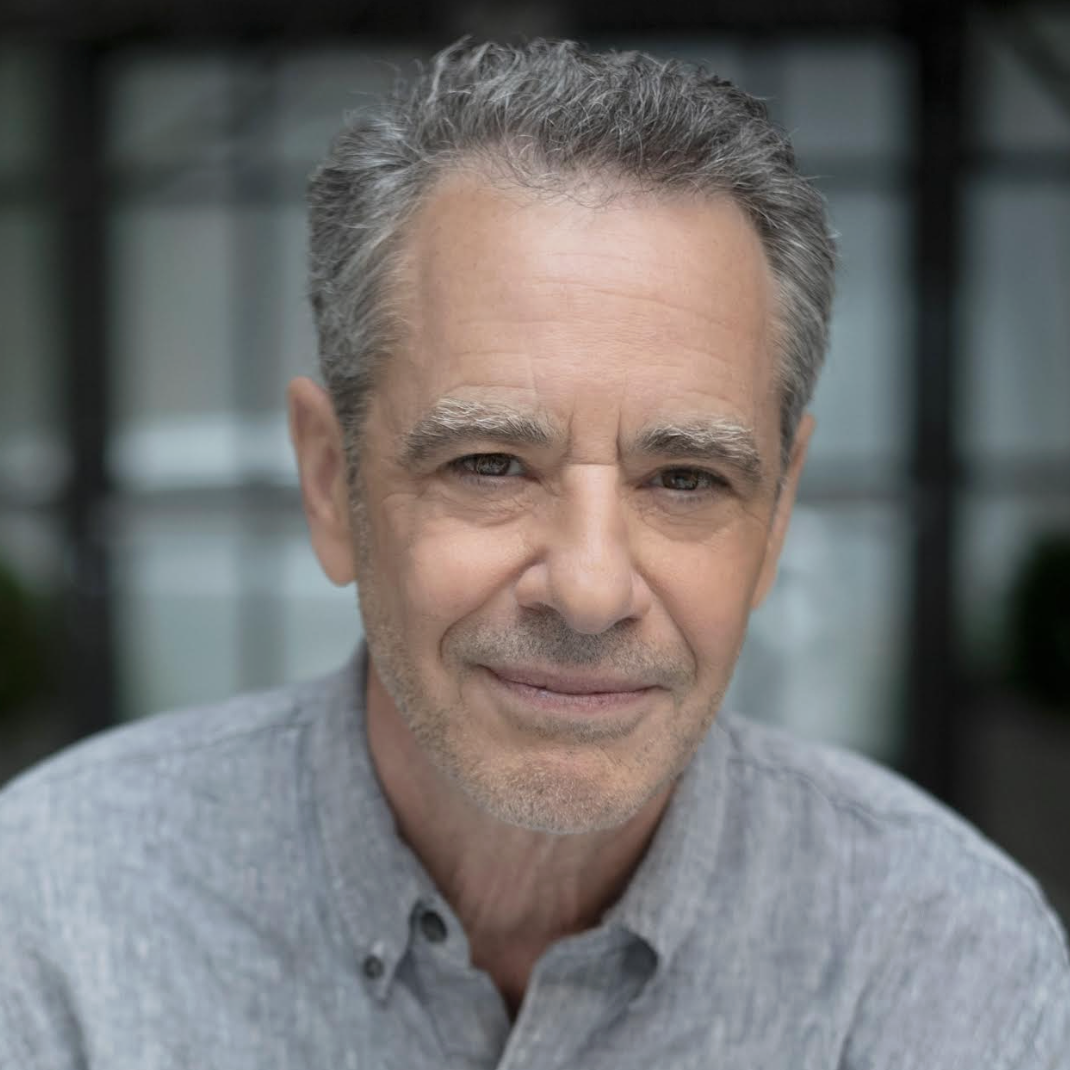
Jonathan Shedler
Jonathan Shedler, PhD, is internationally recognized as an author, researcher, and clinical teacher. He is best known for his article The Efficacy of Psychodynamic Psychotherapy, which won worldwide acclaim for demonstrating that psychoanalytic therapy is an evidence-based treatment. Dr. Shedler’s research and writing continue to shape contemporary understanding of personality and its central role in psychotherapy. He is the author of more than 100 scientific and scholarly articles, the creator of the Shedler–Westen Assessment Procedure (SWAP) for personality diagnosis and case formulation, and co-author of the Psychodynamic Diagnostic Manual (PDM-3). Dr. Shedler lectures internationally, leads workshops for professional audiences, consults to U.S. and international government agencies, and provides expert supervision and consultation to clinicians worldwide. He is a Clinical Professor in the Department of Psychiatry and Behavioral Sciences at the University of California, San Francisco (UCSF) and a Training and Supervising Analyst at the San Francisco Center for Psychoanalysis.
Featured Speakers
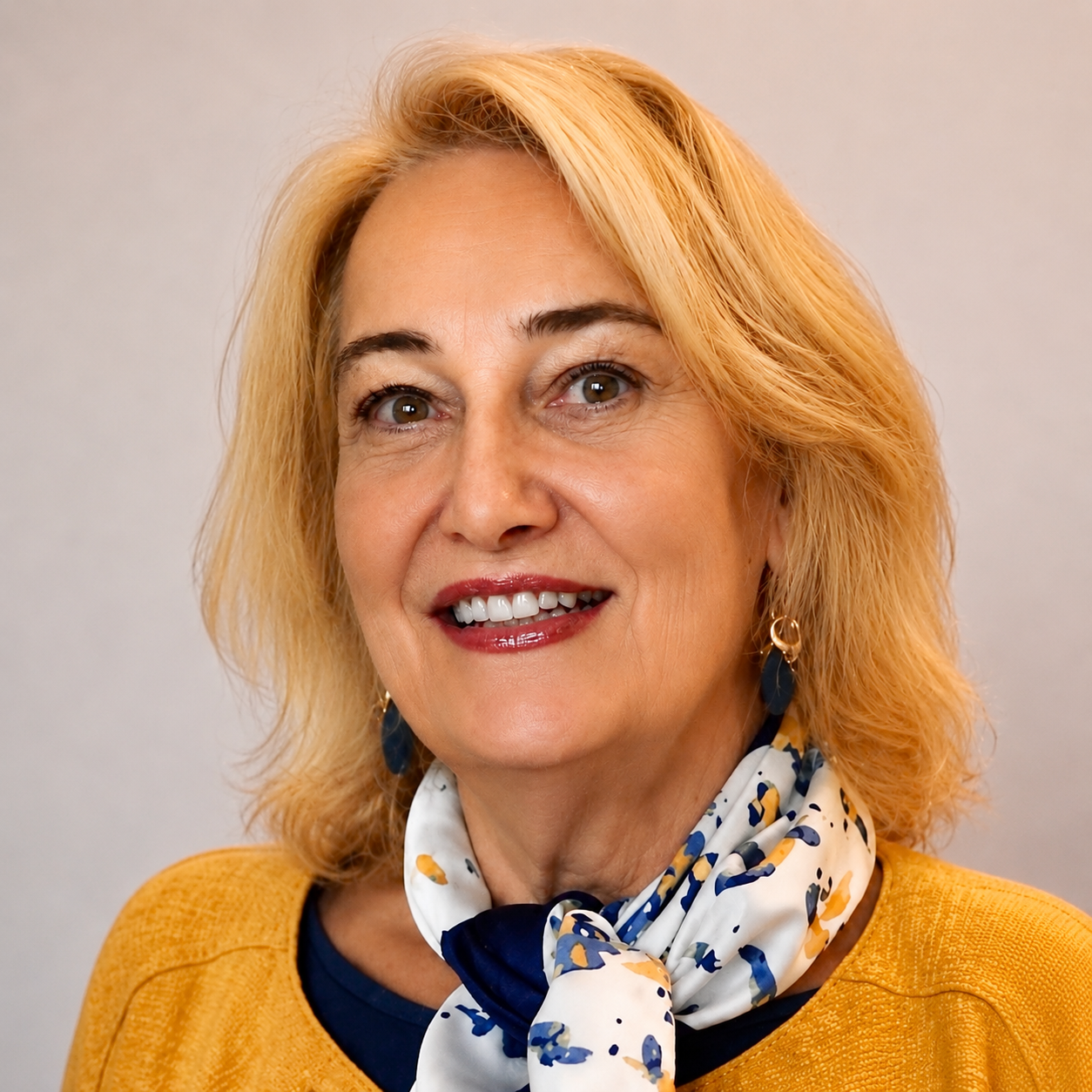
Erica Anderson
Erica Anderson, PhD, is a clinical psychologist who is best known for her work with gender questioning youth. She previously served as a staff psychologist at UCSF Benioff Children’s Hospital’s Child and Adolescent Gender Center, and was the first transgender president of the United States Professional Association for Transgender Health (USPATH). She has also served on the board of the World Professional Association for Transgender Health (WPATH). Drawing on more than 40 years of clinical experience, she writes and speaks widely on the importance of individualized assessment and treatment for youth experiencing gender dysphoria.
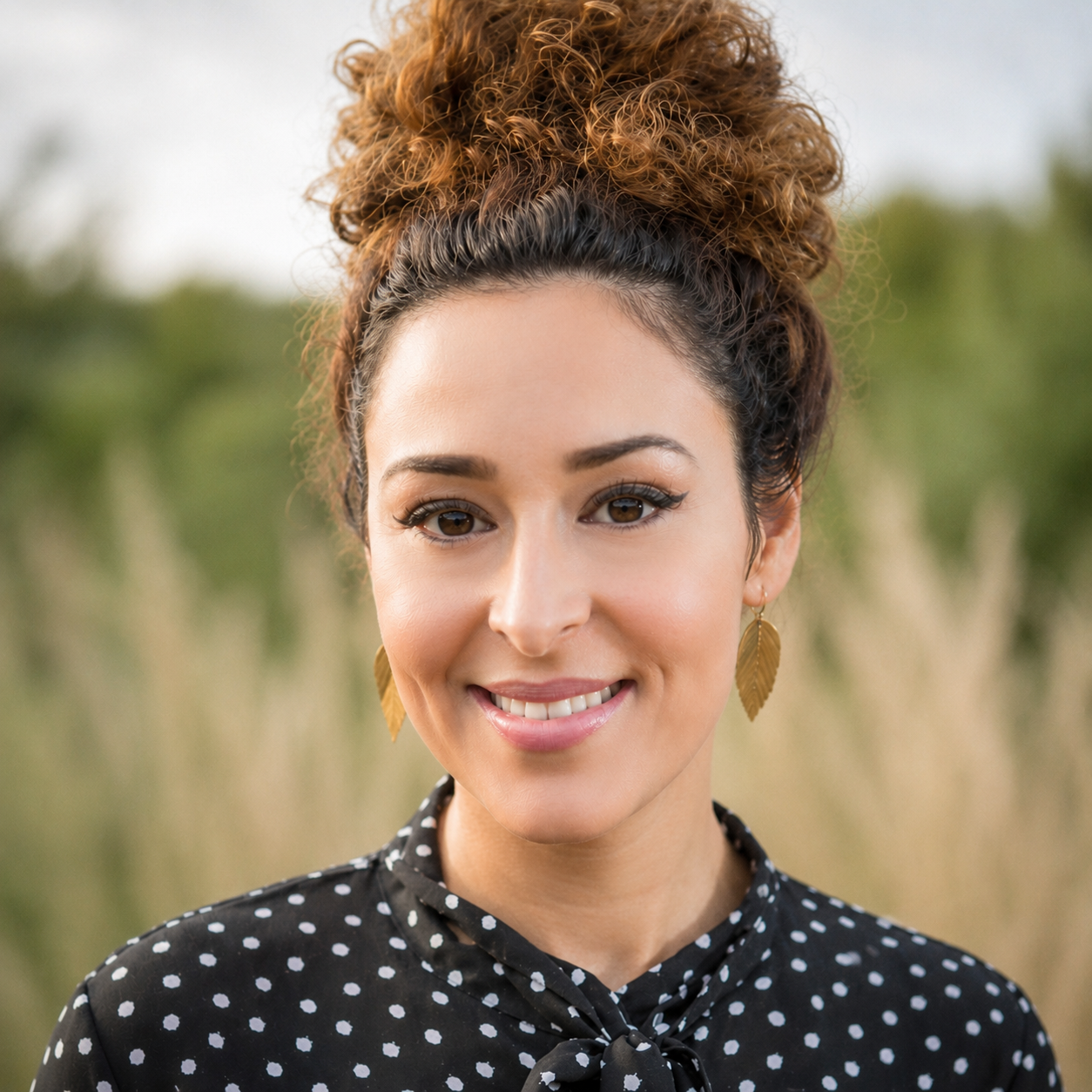
Sasha Ayad
Sasha Ayad, LPC, is a licensed professional counselor with over 13 years of experience working with adolescents, young adults, and families. She holds a Master of Education in counseling psychology from the University of Houston. Since 2016, her clinical work has focused on gender dysphoria and identity development in youth, and she has worked with hundreds of gender-diverse young people and their families. Sasha has presented nationally on developmentally informed approaches to youth gender distress, including at the American Psychiatric Association Annual Meeting, and has contributed to the academic literature in this area.
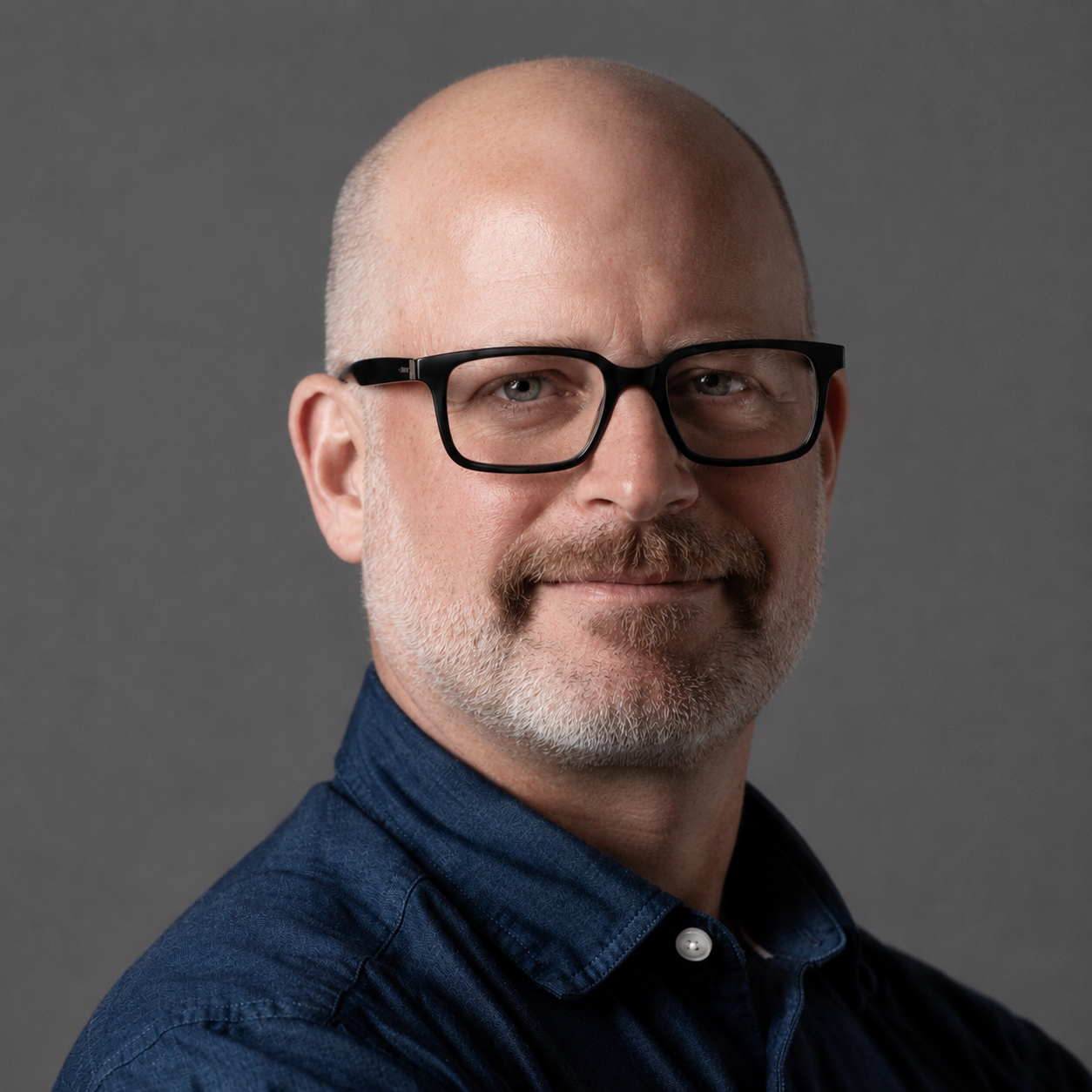
Aaron Balick
Aaron Balick, PhD, is a psychotherapist, author, and Honorary Senior Lecturer in the Department of Psychosocial and Psychoanalytic Studies at the University of Essex, and a founding member and former chair of The Relational School, UK. His book The Psychodynamics of Social Networking was among the first to apply psychoanalytic theory to social media, establishing him as an international voice on the psychodynamics of digital life. Committed to widening public understanding of psychology, he has contributed widely to broadcast and print media, including as resident psychotherapist on BBC Radio 1’s The Surgery and as a columnist for GQ. He maintains a private practice in London.
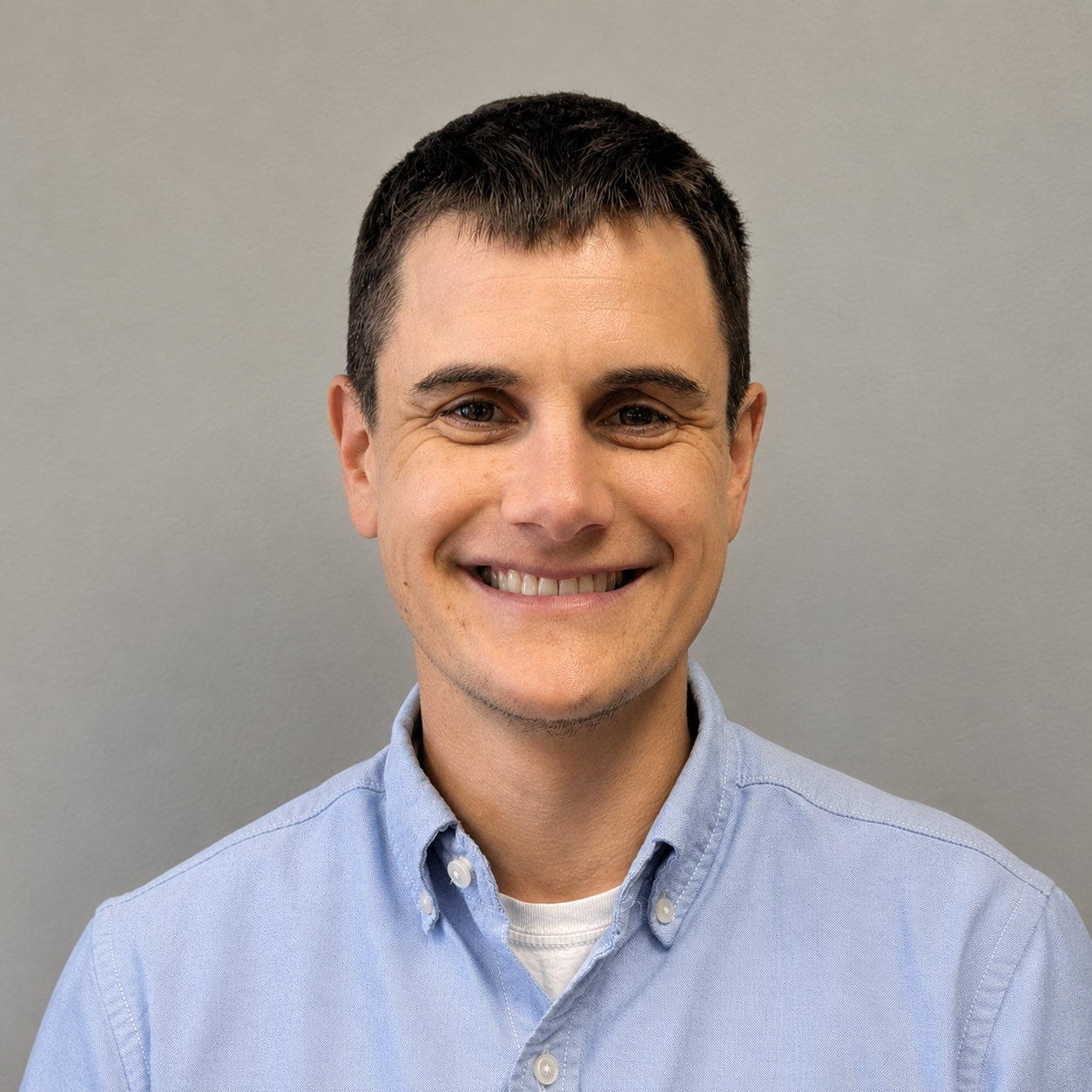
Joe Berger
Joe Berger, LICSW, is a trans man, hospital case manager, and psychotherapist based in Burlington, Vermont. He received his MSW from the University of Vermont, completed postgraduate training in Bowen Family Systems Theory at the Bowen Center for the Study of the Family in Washington, D.C., and currently serves as faculty for the Vermont Center for Family Studies. He holds expertise in gender transition and the family. He maintains a private practice and has worked across community mental health settings, including a state psychiatric hospital, a parenting program at a women’s prison, and a residential program for women transitioning out of incarceration.

Noelle Burton
Noelle Burton, PsyD, is a graduate of the NYU Postdoctoral Program in Psychoanalysis and Psychotherapy and an Associate Editor of Psychoanalytic Dialogues. She is a founding member, Faculty and Supervising Analyst at The Institute for Relational Psychoanalysis of Philadelphia; and Faculty, The Stephen Mitchell Relational Study Center. Dr. Burton has written on the topics of relational multiple self-state theory, dissociation and trauma, substance abuse, the use of the analyst’s imagination and intuition in clinical work, intimacy in the clinical encounter, and most recently on the integration of psychoanalytic treatment with psychedelic medicine. She has worked with adolescents in residential treatment and private settings, as well as adults in her private practice in suburban Philadelphia.

Patricia Constantinian
Patricia Constantinian, PsyD, is a clinical psychologist who works with adolescents and their families. Her therapeutic approach takes into account the complexities of development, attachment, family dynamics, and neuropsychological functioning, as well as broader social and cultural factors that shape each individual’s experience. Dr. Constantinian earned her doctorate from the Ferkauf Graduate School of Psychology at Yeshiva University. At Therapy First, she leads the organization’s twice weekly peer supervision program. She maintains a private practice in Bryn Mawr, Pennsylvania.

Laura Edwards-Leeper
Laura Edwards-Leeper, PhD, is a licensed clinical psychologist in full-time private practice. She has previously worked at Pacific University, Seattle Children’s Hospital, and Boston Children’s Hospital/Harvard Medical School, where she was the founding psychologist of the Gender Multispecialty Service (GeMS). In that role, she developed the psychological assessment protocol for transgender adolescents seeking medical interventions. Dr. Edwards-Leeper is a Fellow of the American Psychological Association (Division 54: Pediatric Psychology) and served as Chair of the Child and Adolescent Committee for the World Professional Association for Transgender Health (WPATH). She has authored numerous scholarly publications and is internationally recognized for her expertise. In recent years, she has spoken publicly about concerns and complexities within this rapidly evolving field.
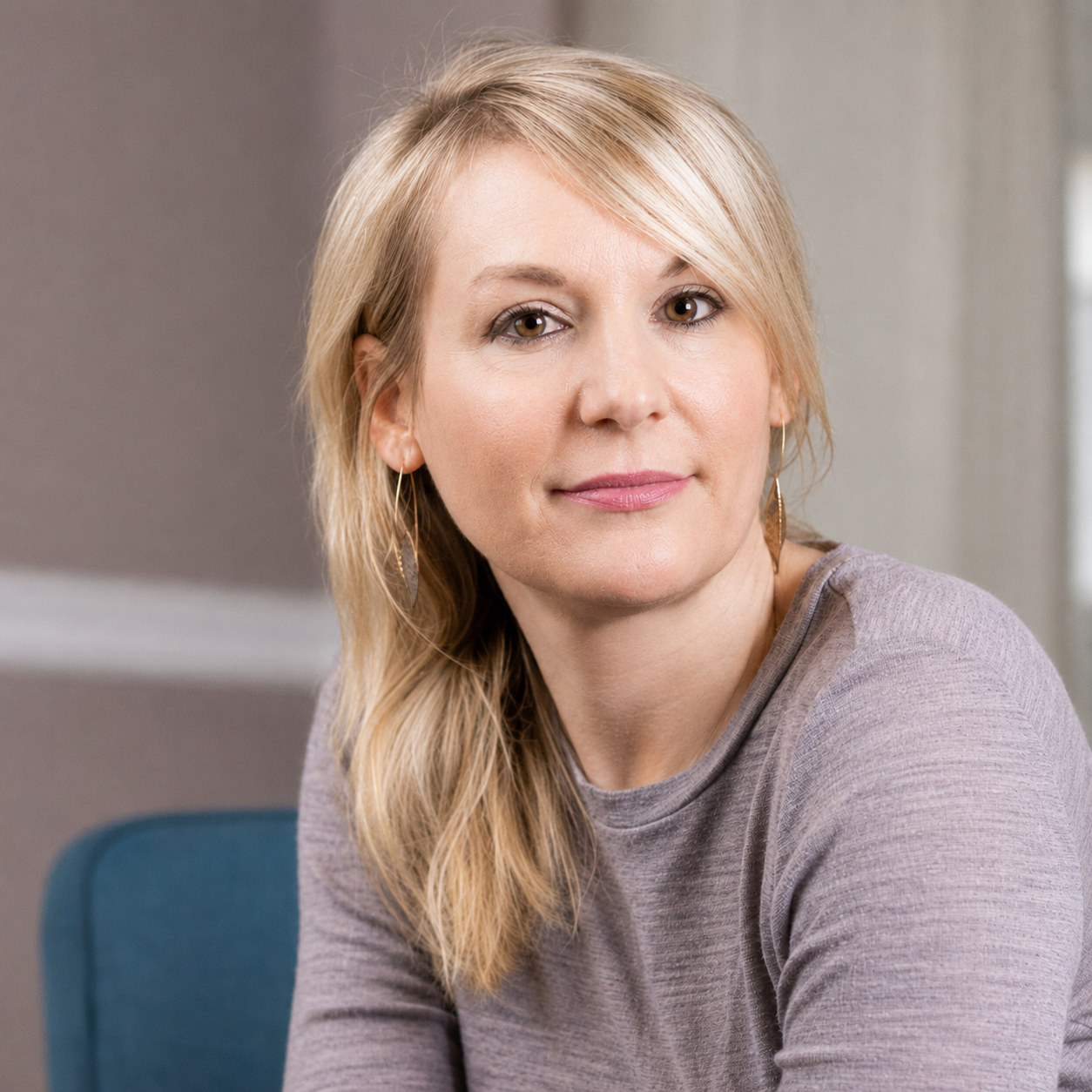
Sophie Frost
Sophie Frost, MA, is a psychotherapist in private practice whose clinical work focuses on personality, attachment, and the psychological impact of developmental, relational, and cultural change. She has a particular interest in the ways contemporary social and cultural shifts shape psychological life and psychotherapy, and writes on the intersections of psychotherapy, philosophy, and culture. Sophie received her Masters and clinical training in psychodynamic psychotherapy at the Tavistock and Portman NHS Foundation Trust, one of the UK’s leading institutes for psychoanalytic training and clinical practice.
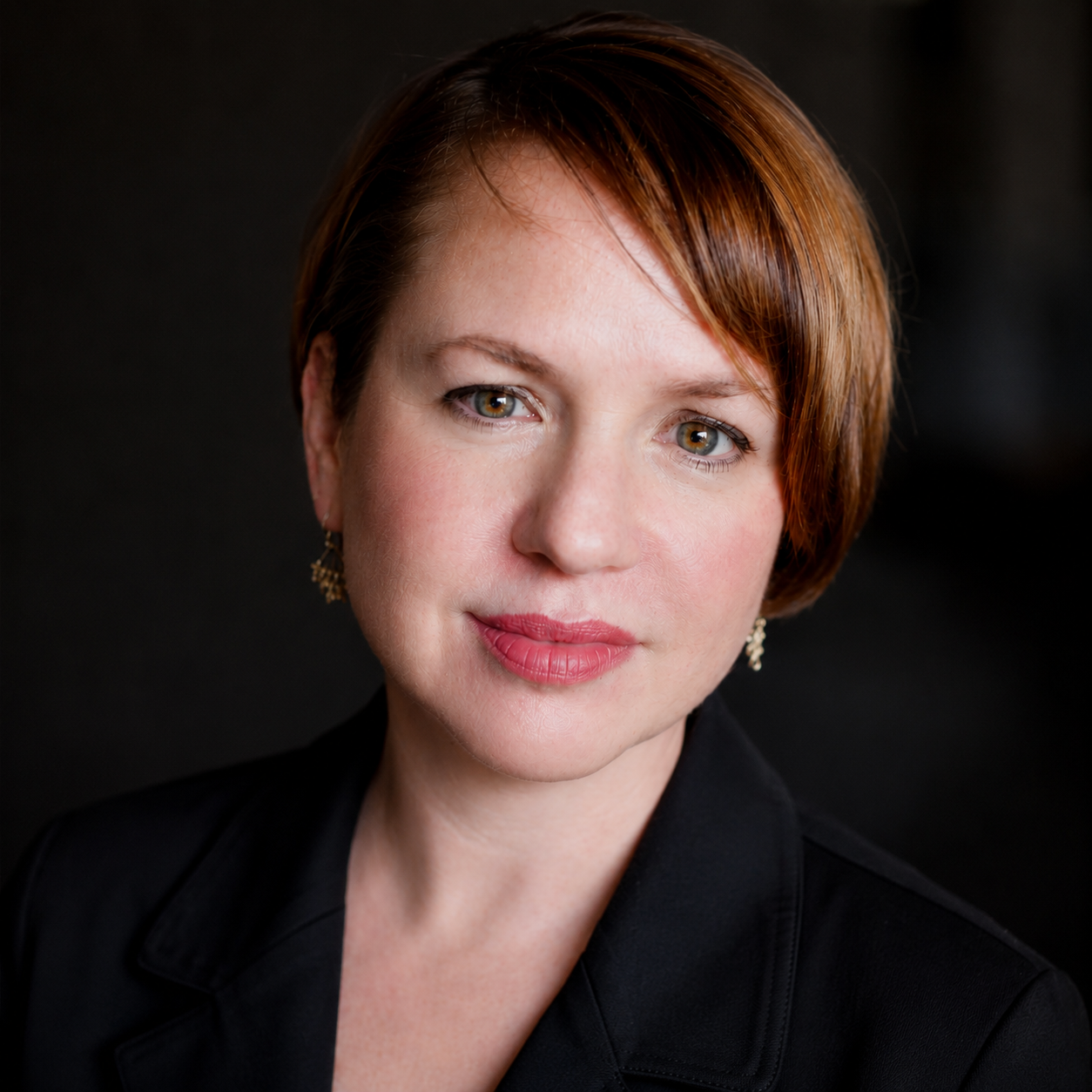
Shlomit Gorin
Shlomit Gorin, PsyD, is a licensed clinical psychologist with 17 years of experience providing psychotherapy to children, adolescents, and adults. She obtained her doctorate in Clinical Psychology from The Wright Institute in Berkeley, California, after completing degrees in Comparative Literature and Slavic Languages & Literatures at Northwestern University in Evanston, Illinois. In addition to her private practice, Dr. Gorin is the Director of the Outpatient Clinic Training Program at a community mental health organization in San Francisco, which comprises an APA-accredited internship program along with a practicum, where she provides clinical supervision and training to psychology interns and practicum trainees.
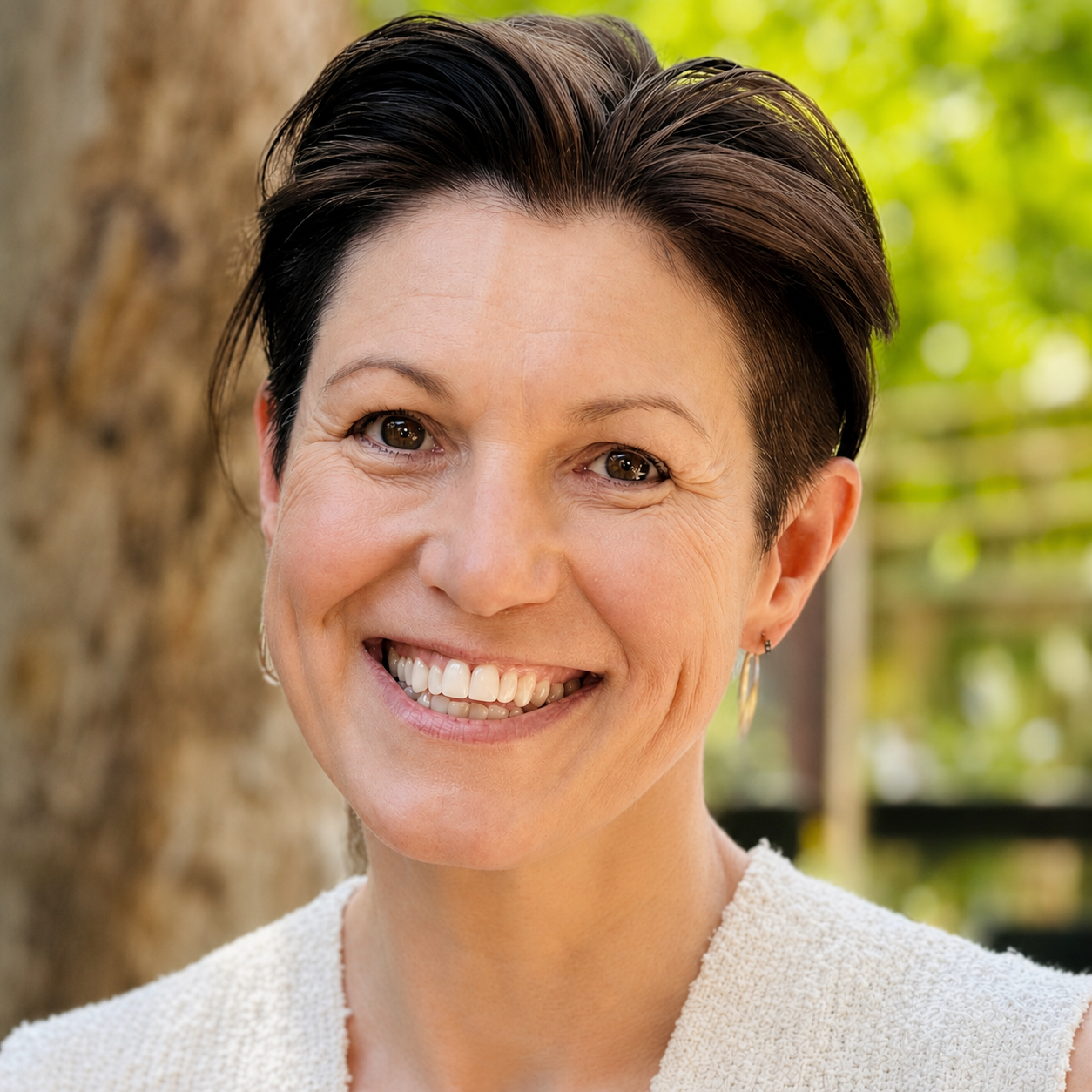
Anna Hutchinson
Anna Hutchinson, D.Clin.Psy., is a clinical psychologist based in London with over 25 years of experience specializing in adolescent mental health, physical health, and gender-related distress. She earned an M.Sc. in Cognitive Neuropsychology and a Doctorate in Clinical Psychology from the University of London. Dr. Hutchinson held senior clinical positions at Great Ormond Street Hospital and King’s College Hospital, was a Senior Clinical Psychologist at the Tavistock Gender Identity Development Service (GIDS), and co-led the induction training for the NHS Children and Young People’s Gender Service in collaboration with the Academy of Medical Royal Colleges.
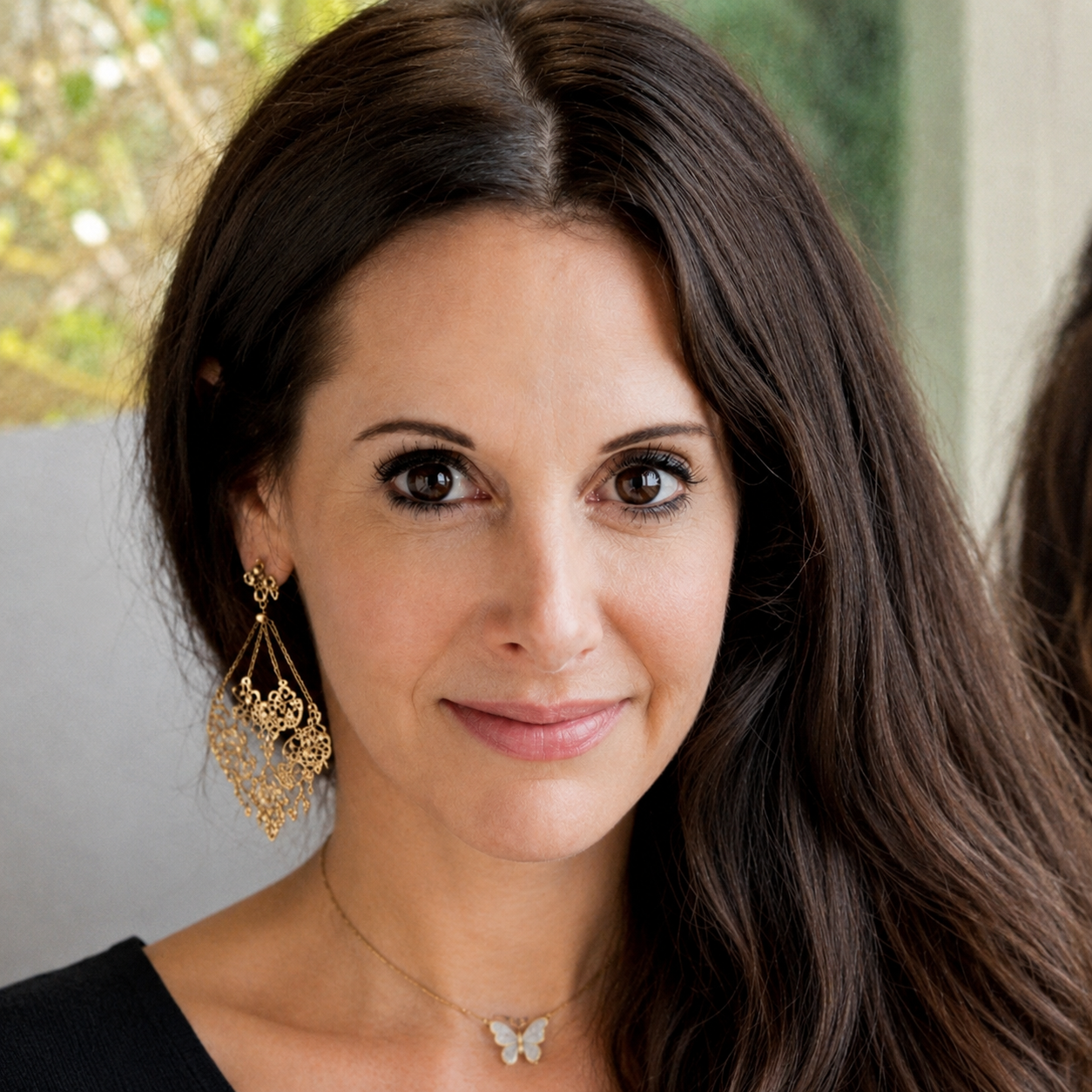
Faye Jacob
Faye Jacob, PhD, is a clinical psychologist with more than 25 years of experience providing psychotherapy to individuals, couples, and families in private practice. Dr. Jacob has extensive expertise in the treatment of mood disorders, personality disorders, and complex relational difficulties, drawing from psychodynamic, cognitive behavioral, dialectical behavioral, interpersonal, and family systems approaches. She has worked across inpatient, outpatient, and day hospital settings and received specialized training in the assessment and treatment of personality disorders, including research and clinical training at the Personality Disorders Institute. Dr. Jacob previously served as a Clinical Instructor of Psychology in Psychiatry at Weill Cornell Medical College, where she supervised psychology and social work trainees. She holds a Bachelor of Arts from Franklin & Marshall College, a Doctorate in Clinical Psychology from Fordham University Graduate School of Arts and Sciences, and a Post-Doctoral degree from NewYork-Presbyterian Hospital/Weill Cornell Medical Center.
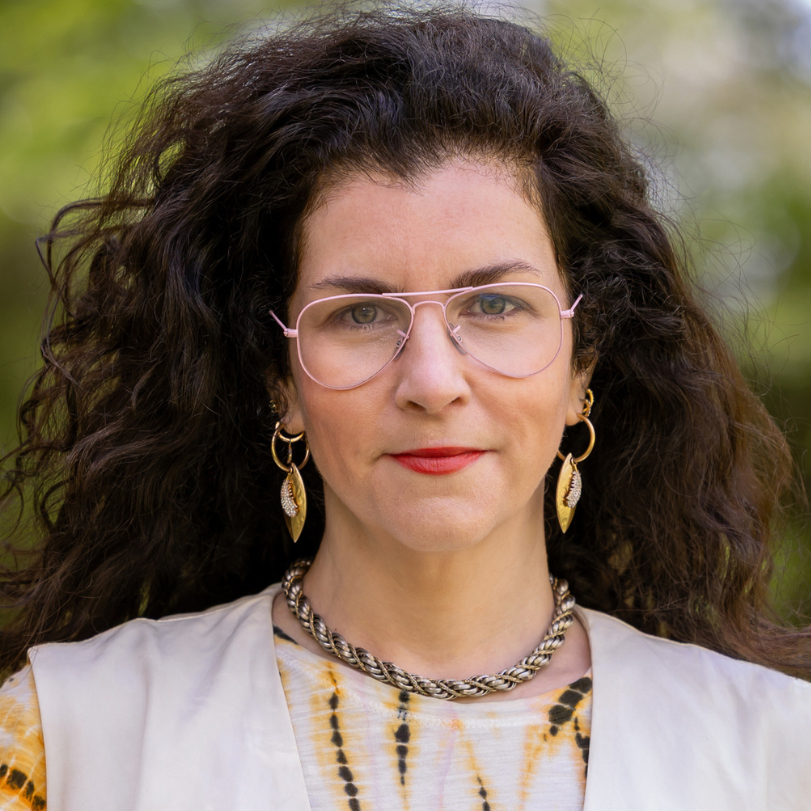
Mor Keshet
Mor Keshet, LCAT, is an integrative eco-art therapist, educator, and writer. Her work centers on the intersections of psychology, human relationships, creativity, and the natural world, and she has worked clinically with adolescents and their families since 2005. She most recently authored “Integrative Eco-Art Therapy: Addressing Humanity’s Fractured Attachment to Nature,” published in Ecopsychology, a peer-reviewed journal examining psychology and mental health within an ecological context. Keshet has taught and collaborated with institutions including the University of Pennsylvania and The Nature Conservancy. She currently serves on the faculty of the Climate Emotional Resilience Institute and previously held leadership roles with the Climate Psychology Alliance of North America.
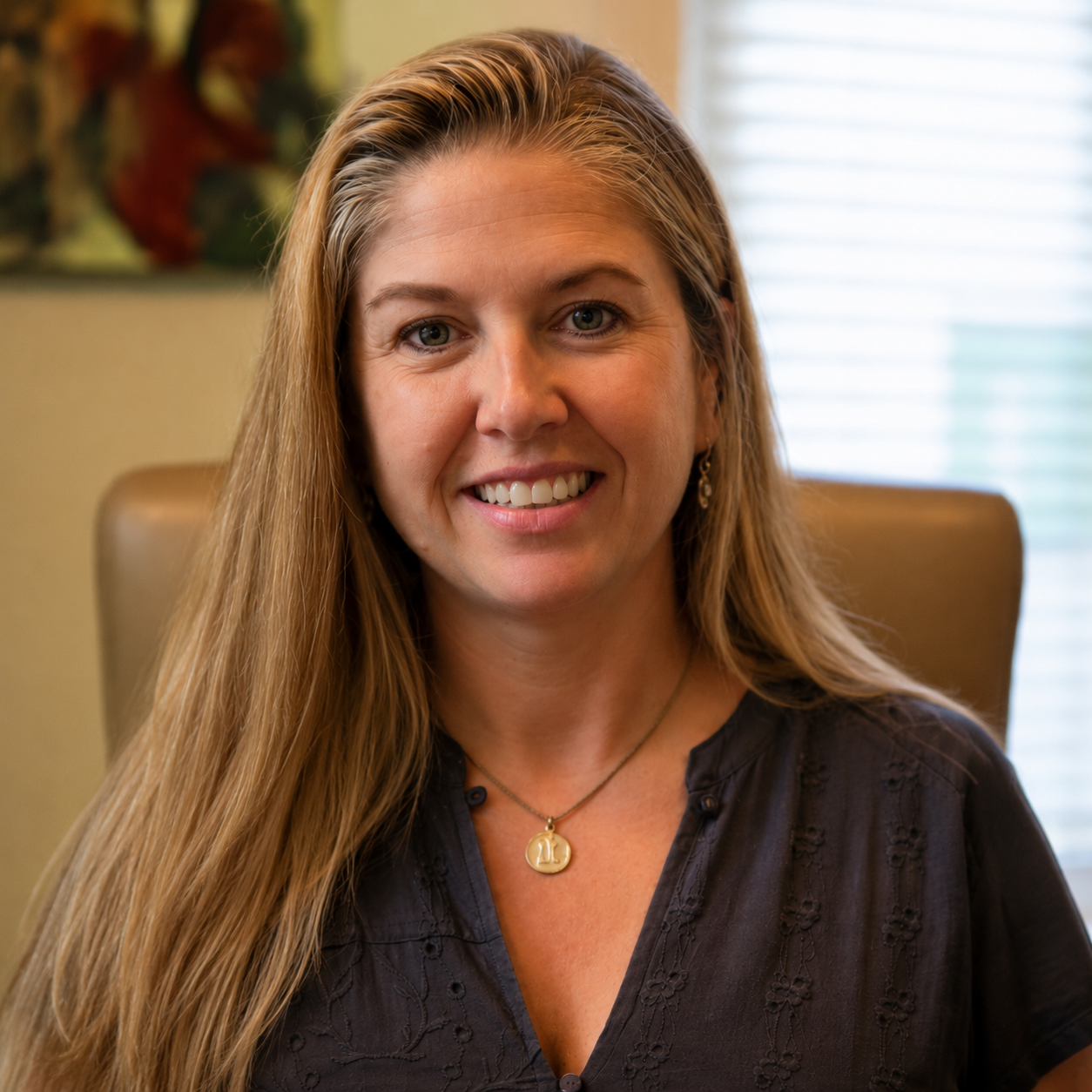
Brooke Laufer
Brooke Laufer, PsyD, is a clinical psychologist based in Evanston, Illinois. She earned her doctorate in Clinical Psychology from the California Institute of Integral Studies. Dr. Laufer specializes in working with adolescents and their families, and holds expertise in perinatal mood disorders and maternal trauma. She is the author of Uncovering the Act of Maternal Infanticide from a Psychological, Political, and Jungian Perspective (Routledge, 2024). In addition to her clinical practice, she provides clinical supervision for psychology trainees and serves as a lecturer in the Pacifica Graduate Institute Extension Program.

Alessandra Lemma
Alessandra Lemma, D. Clin Psych., is a Fellow of the British Psychoanalytic Society and a Chartered Clinical and Counselling Psychologist with extensive experience as a clinician, academic, and author. Currently Visiting Professor in the Psychoanalysis Unit, University College London, Consultant, Clinical Psychologist, DIT at the Anna Freud Centre, and Visiting Professor at Centro Winnicott, Rome. Formerly Head of Psychology and Professor of Psychological Therapies at the Tavistock Clinic. Recognized internationally for contributions to psychoanalysis, trauma, impact of technology on the psyche, transgender identities, and ethics. She is the recipient of the 2022 Sigourney Award, the 2025 Scharff Award, and the British Psychoanalytic Council’s 2025 Bernard Rattigan Award for Psychoanalysis and Diversity. Her most recent books are First Principles: Applied Ethics for Psychoanalytic Practice (OUP, 2023) and Psychotechnical Becomings; Psychoanalysis, Identity, Desire and Mourning in Times of AI and Digital Mediation (Routledge, 2026) and forthcoming is: Journeying Through Psychoanalysis: Lessons from the Couch (Wiley, 2027).
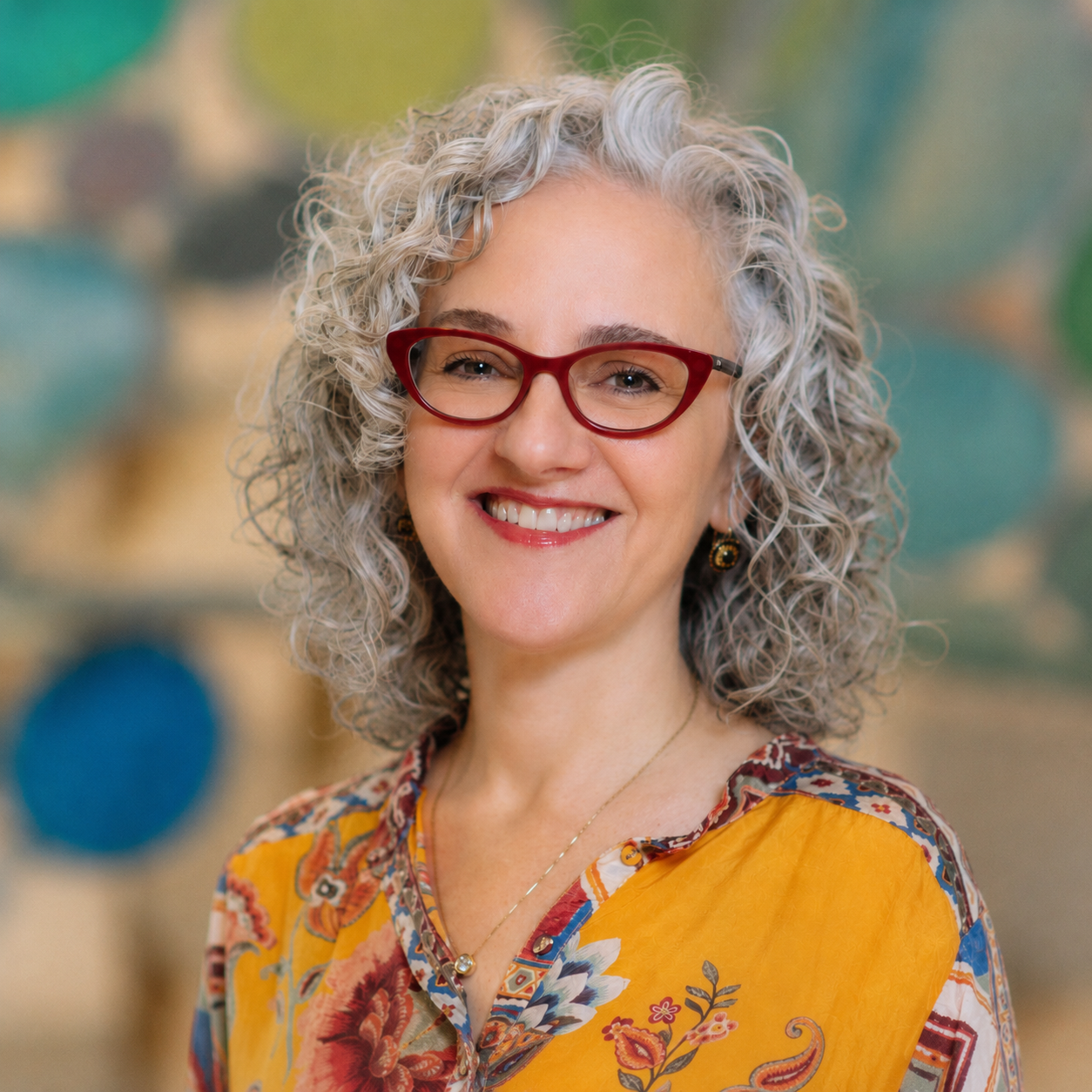
Lisa Marchiano
Lisa Marchiano, LCSW, is a certified Jungian analyst, award-winning author, and co-host of the depth psychology podcast This Jungian Life. She is the author of several books, including Motherhood: Facing and Finding Yourself, and has published numerous peer-reviewed articles and book chapters on gender-related distress. She is currently a doctoral candidate at the Boston Graduate School of Psychoanalysis, where her research focuses on social media and identity. Lisa serves on the faculty of the C. G. Jung Institute of Philadelphia, lectures and teaches widely, and maintains a private practice. She holds an MSW from New York University and completed her analytic training through the Inter-Regional Society of Jungian Analysts.

Maria Papadima
Maria Papadima, PhD, is a child and adolescent psychotherapist based in London. She completed her clinical training at the Independent Psychoanalytic Child and Adolescent Psychotherapy Association (IPCAPA), following a doctorate focused on trauma and psychoanalysis. She has worked for many years with adolescents, young adults, and parents in both the UK National Health Service (NHS) adolescent crisis team and private practice. Within the NHS, she led the development of a brief psychotherapy model for adolescents and parents in crisis, which was piloted over three years and subsequently published. Maria teaches and supervises at IPCAPA and other psychoanalytic institutions in London, has published extensively on clinical work with adolescents, and is co-editor of Psychoanalytic Crisis Work with Adolescents: An Independent Approach (Routledge, 2026).
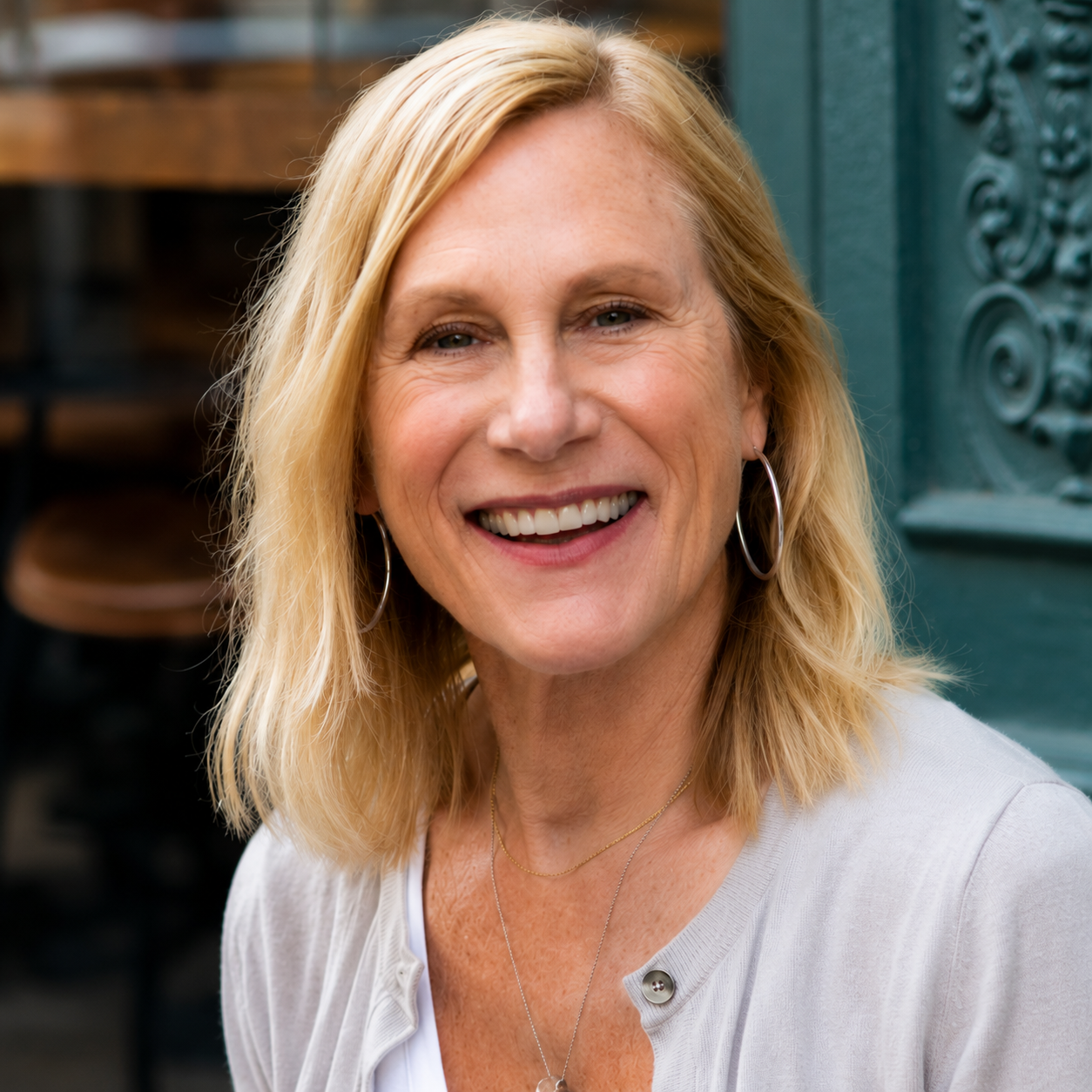
Elizabeth Roberts
Elizabeth Roberts, PhD, is a lifespan psychologist and neuropsychologist specializing in autism spectrum disorder, with over 30 years of clinical experience. She earned her A.B. in Comparative Literature from Brown University and her doctorate in Clinical Psychology from Hahnemann University, followed by a postdoctoral fellowship in Clinical Neuropsychology at Hahnemann Hospital. Dr. Roberts has worked in in- and out-patient settings and in various departments of child and adolescent psychiatry throughout New England and the New York metropolitan area, including the NYU Child Study Center, where she was a member of the Autism Spectrum Disorder Service and assisted in research. She has also served as National Director of Clinical Support Services for the College Internship Program (CIP), where she focused on the needs of young adults affected by autism, including independent living, employment, education, co-occurring mental health conditions, and gender and sexuality. She is currently in private practice in Lenox, Massachusetts.
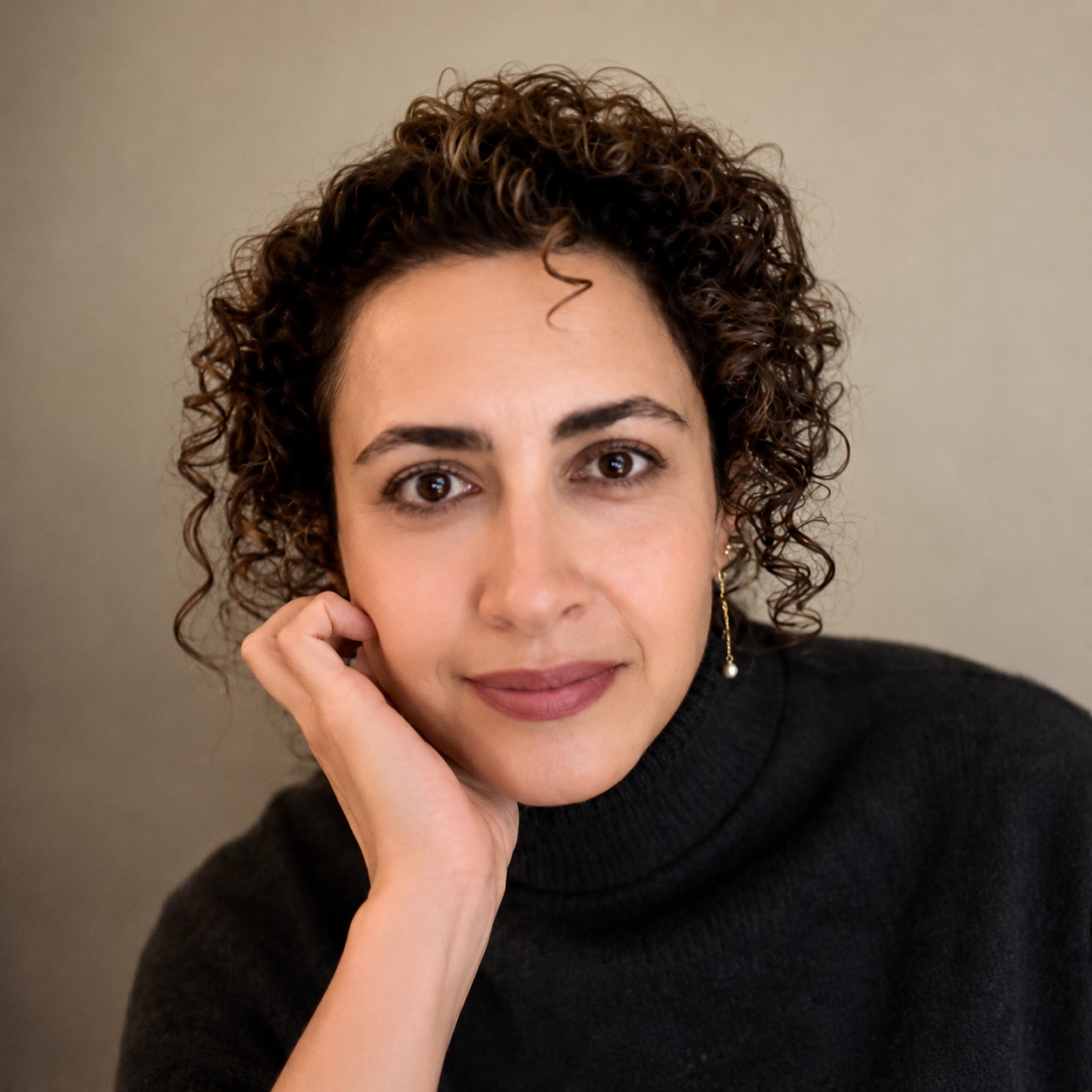
Shirin Sajadi
Shirin Sajadi, PsyaD, is an Iranian psychoanalyst, educator, supervisor, and artist. She is a faculty member at the Boston Graduate School of Psychoanalysis, serves on the Board of Directors of the Massachusetts Association for Psychoanalytic Psychology, and maintains a private practice in Brookline, Massachusetts. Dr. Sajadi’s clinical and scholarly interests center on unconscious fantasy, symbolic processes, sexuality, gender, and the evolving challenges of subjectivity in contemporary culture. Her work integrates classical and contemporary psychoanalytic thought with philosophy, critical theory, and cultural analysis to examine how social forces shape psychic life. She advocates a clinically grounded yet politically engaged psychoanalytic practice that remains attentive to questions of power, culture, and collective life. In recent years, her research has focused on the impact of digital culture, algorithmic systems, and technofascist tendencies on identity formation, symbolic thinking, and the capacity for inward reflection.
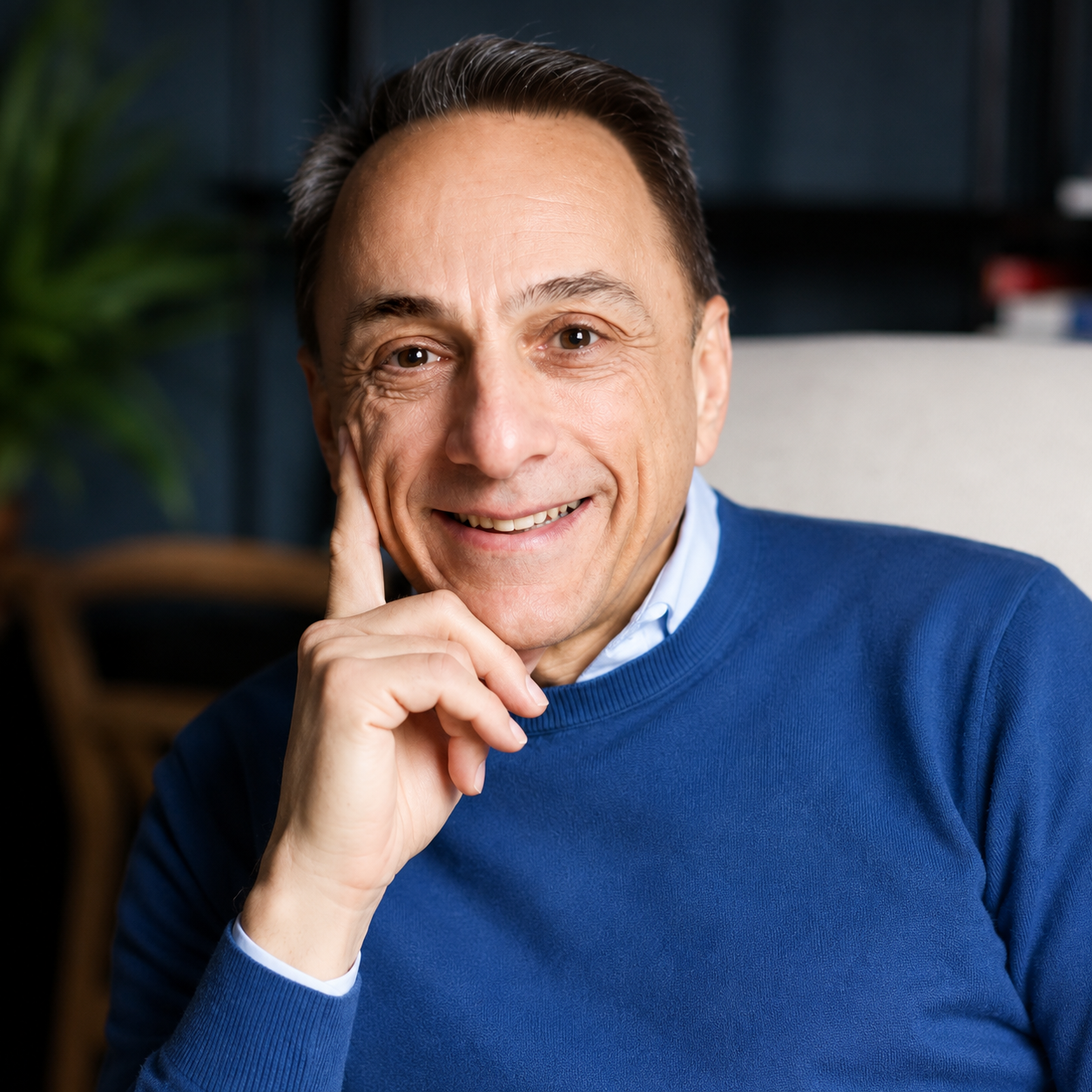
Donald Schmoll
Donald Schmoll, LCSW, is an LGBTQ affirming psychotherapist in private practice in New York City. Schmoll earned his Master of Social Work from Fordham University and completed graduate training at the Housing Works Keith D. Cylar Community Health Center on Manhattan’s Lower East Side. Prior to entering the mental health profession, he spent more than two decades in senior leadership positions in media and publishing, serving as Vice President and Group Marketing Director at Robb Report/CurtCo Media Labs, Vice President of Marketing and Communications at Brunschwig & Fils, Marketing Director for Condé Nast’s Men’s Vogue, and Associate Publisher at Hearst Magazines. His decision to pursue a career as a psychotherapist was shaped by his experience coming of age as a gay man during the AIDS crisis, witnessing firsthand the psychological impact of shame, loss, discrimination, and resilience within the LGBTQ community.
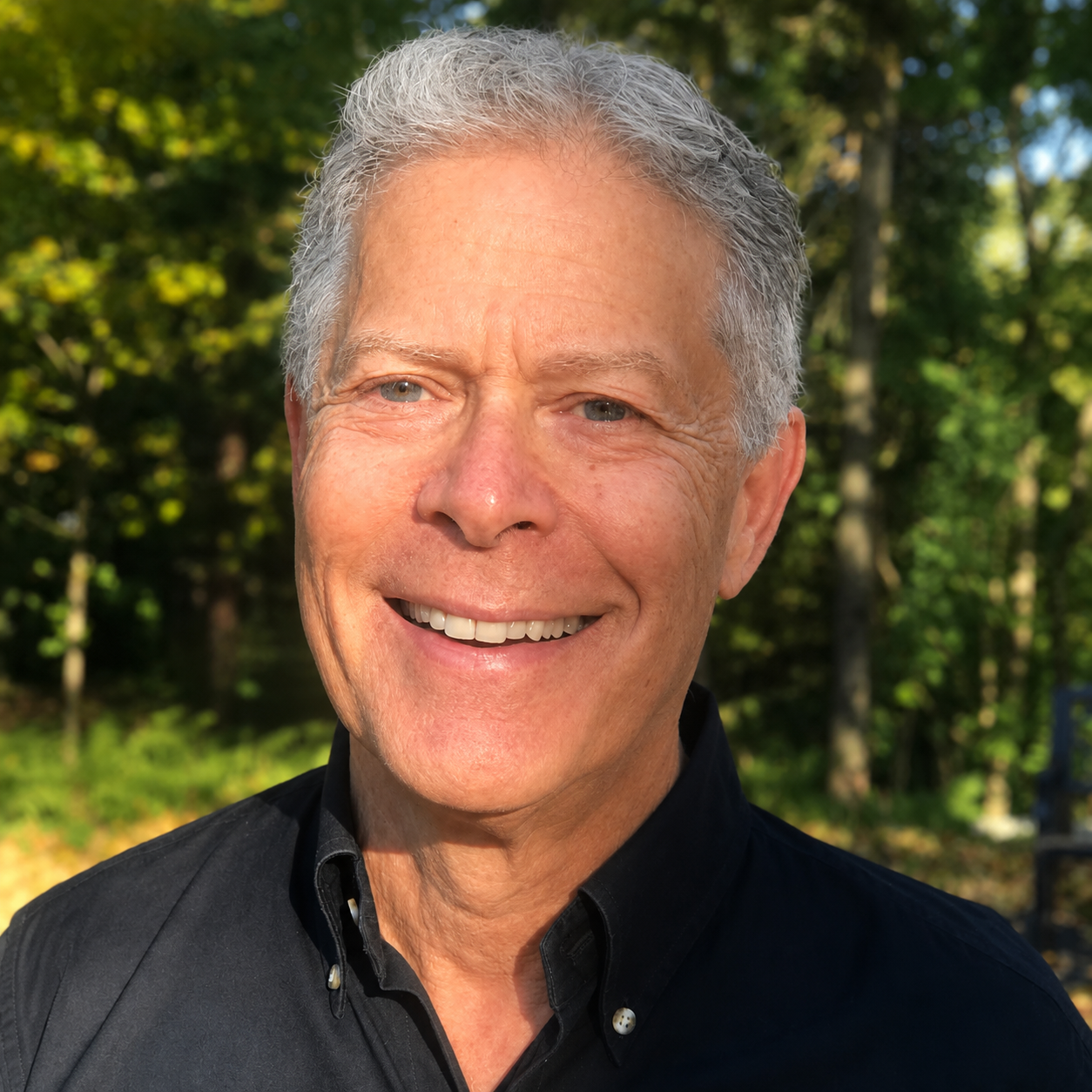
David Schwartz
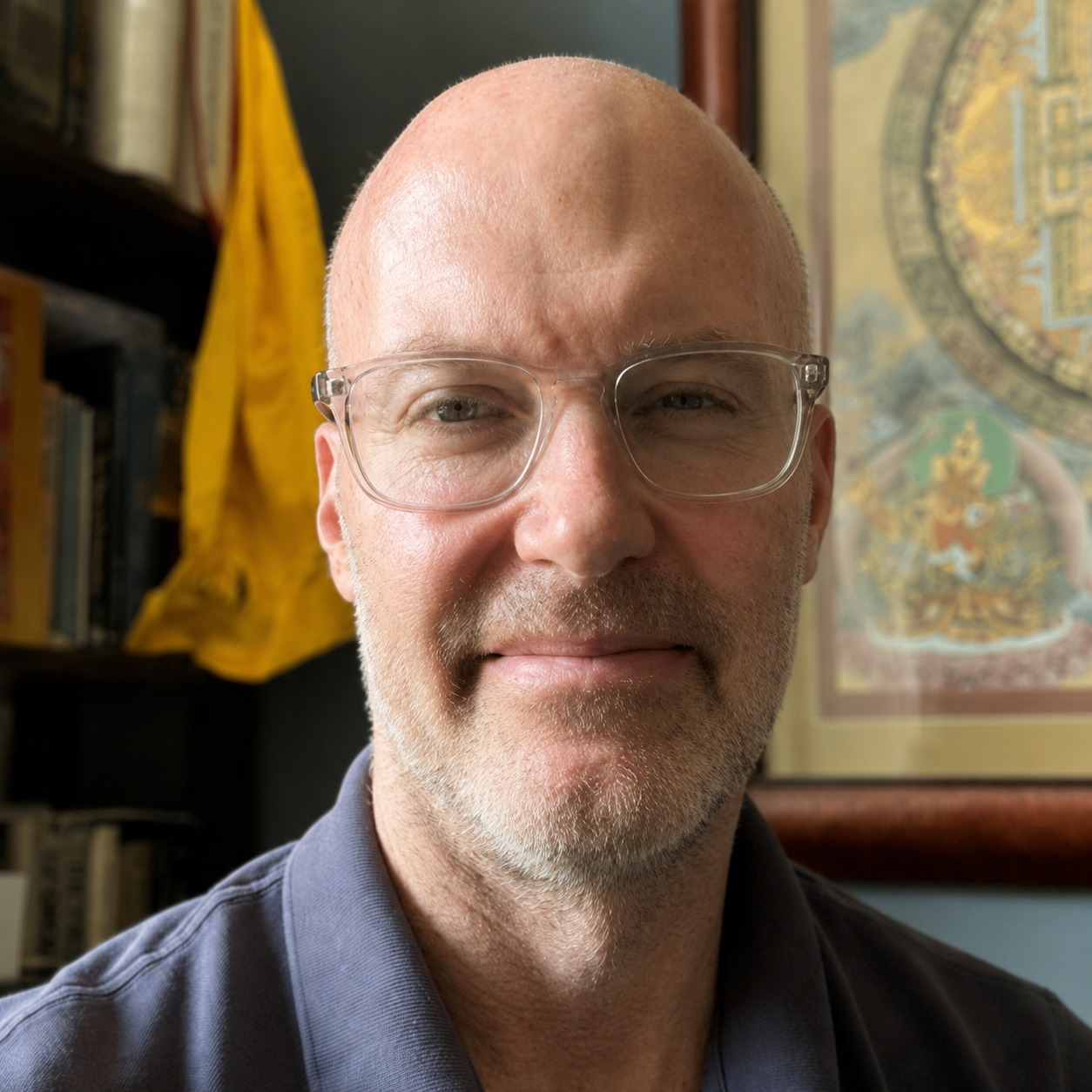
David Schwartz, PhD, is a psychologist in private practice in Westchester county, NY. He received his doctorate in psychology from the City University of New York and completed his post-graduate training in psychoanalysis from the Westchester Center for the Study of Psychoanalysis and Psychotherapy. Dr. Schwartz is an Associate Editor for Psychoanalysis, Culture and Society and has served on the editorial board of The Journal of LGBTQ+ Mental Health, the official journal of The Association of LGBTQ+ Psychiatrists (AGLP). He has written on sexuality and gender for the past thirty-five years.
David Schweichler
David Schweichler, LCSW, MDiv, is a contemplative psychotherapist based in New York City with over 20 years of experience working with the LGBTQ community. He holds a Master of Social Work from the New York University School of Social Work, a Master of Arts in Philosophy from the University at Buffalo, and a Master of Divinity from Union Theological Seminary. He completed post-graduate training in psychoanalysis at the National Psychological Association for Psychoanalysis and has taught depth psychology and pastoral counseling at the Blanton-Peale Institute.
Tracy Schachter
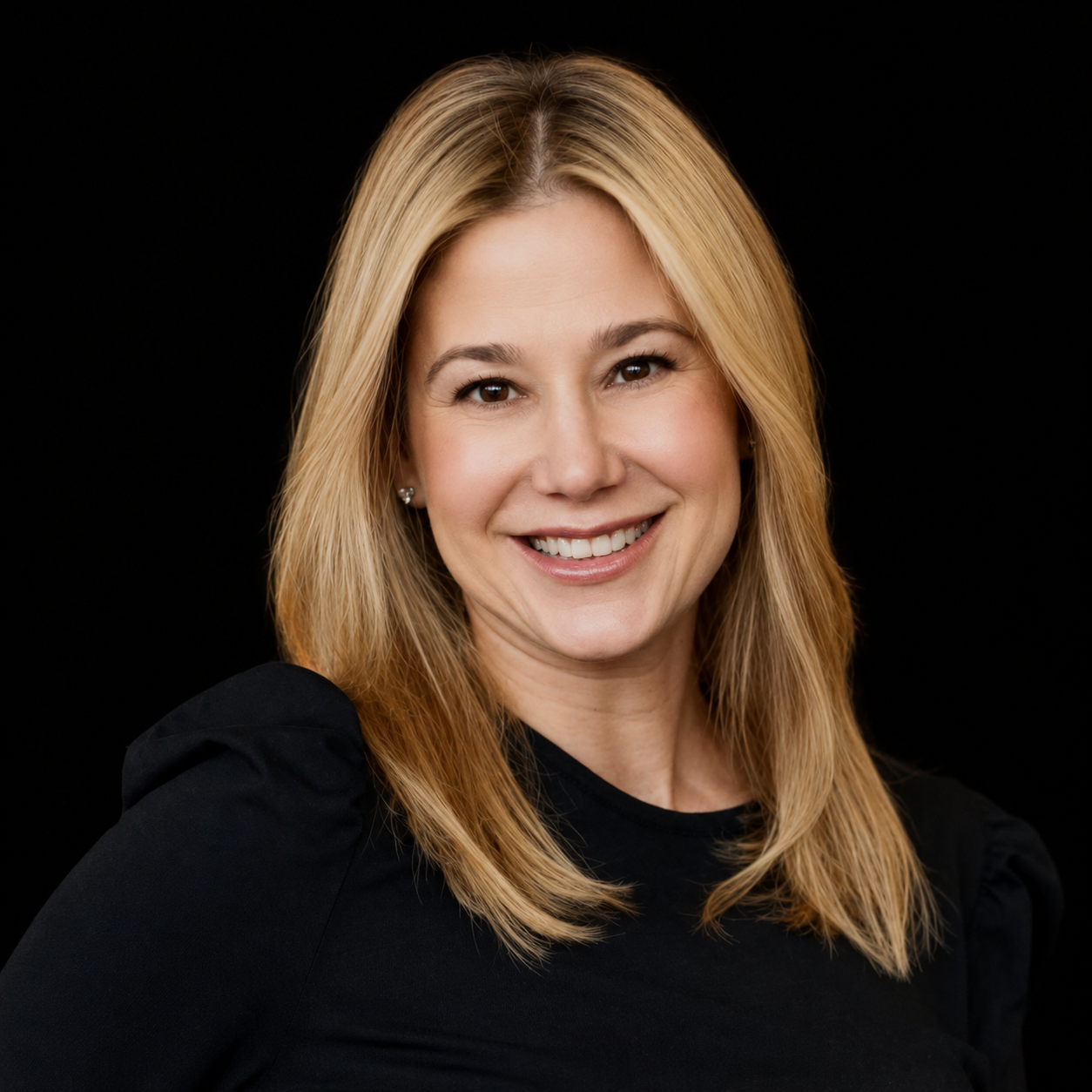
Tracy Schachter, LCSW-R, is a psychotherapist with more than two decades of clinical experience working with children, adolescents, young adults, and their families. A graduate of the New York University School of Social Work, Tracy brings extensive expertise in adolescent development, with advanced training in evidence-based cognitive and behavioral interventions and culturally responsive care for LGBTQ youth. Her clinical work is grounded in a developmental framework that considers the complex interplay of identity, belonging, relationships, and psychological well-being as young people navigate an increasingly complex social and cultural landscape. Tracy is deeply committed to helping young people develop a strong sense of self, build meaningful connections, and cultivate the resilience and self-awareness needed to thrive.

Laurel M. Silber
Laurel M. Silber, PsyD, is a clinical psychologist in private practice in Bryn Mawr, PA working with children, adolescents, and their families for over 30 years. She has published articles and chapters in edited volumes on subjects such as child psychotherapy, intergenerational transmission of trauma, parental implication and childism, play and play therapy, and gender. The book she is working on currently is in press, entitled: Transforming Transmitted Trauma with a Child in Mind. She serves on the Editorial Board of the Journal of Infant, Child, and Adolescent Psychotherapy. She is the former Director of the Child Relational Psychotherapy Program of the Institute for Relational Psychoanalysis of Philadelphia.
Amy Tishelman
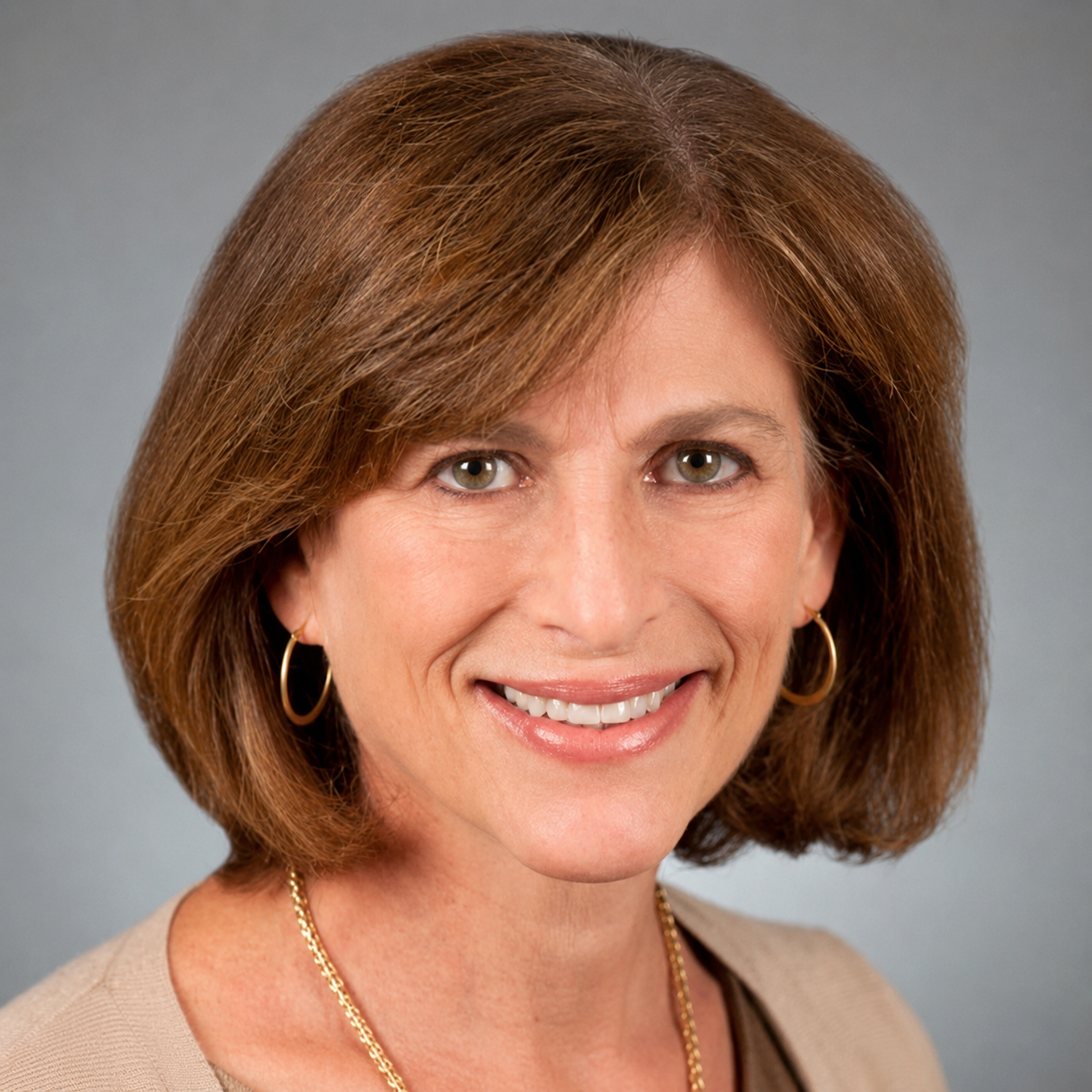
Amy Tishelman, Ph.D., is a clinical and research psychologist and Research Associate Professor in the Department of Psychology and Neuroscience at Boston College. She previously spent nearly three decades at Boston Children’s Hospital/Harvard Medical School, where she served as Senior Psychologist and Director of Clinical Research in the Behavioral Health, Endocrinology, and Urology Program and the Gender Multispecialty Service (GeMS). Dr. Tishelman has received multiple National Institutes of Health grants supporting research on the well-being and gender development of children, adolescents, and young adults, including individuals with variations of sex characteristics (also referred to as differences of sex development or intersex variations). She was selected by the World Professional Association for Transgender Health (WPATH) to lead development of the Child chapter for the Standards of Care, Version 8, and by the American Psychological Association to co-chair a national task force on variations of sex characteristics. She has co-edited a number of journal special issues, has served frequently on editorial boards, and speaks and publishes regularly in her areas of expertise.

Rebecca Todd
Rebecca Todd, LMHC, is a psychotherapist who works with children, adolescents, and their families. Before entering clinical practice, she worked in education, including as a middle school English teacher in New York City public and independent schools. She later served as a mental health counselor at The Harlem Family Institute, working with children and families in school-based and outpatient settings and developing programming for educators, parents, and caregivers. Todd received her Master of Arts in counseling from New York University’s Steinhardt School of Culture, Education, and Human Development.
Eric Yarbrough
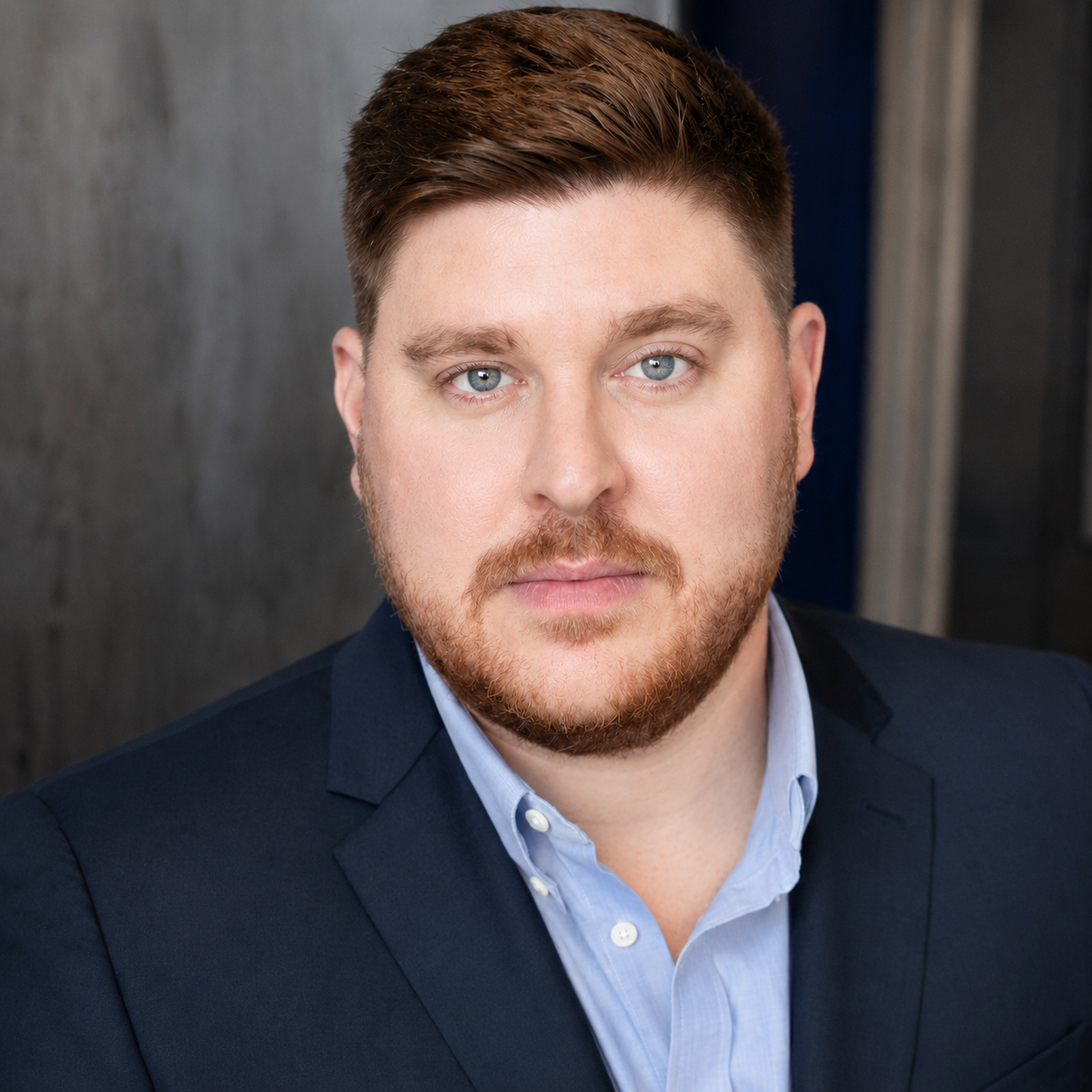
Eric Yarbrough, MD, completed medical school at the University of Alabama School of Medicine and his psychiatry residency at St. Luke’s–Roosevelt Hospital in New York City. He began his career at St. Luke’s Hospital, serving as Associate Training Director and as an outpatient psychiatrist treating patients with a broad range of conditions, including serious mental illness. Dr. Yarbrough’s career has focused on LGBTQ+ mental health. He has served as President of AGLP: The Association of LGBTQ+ Psychiatrists, Director of Psychiatry at Callen-Lorde Community Health Center, and Medical Director of Gay Men’s Health Crisis (GMHC). He is a Distinguished Fellow of the American Psychiatric Association and recently served as Chair of its Council on Minority Mental Health and Health Disparities. Dr. Yarbrough is the author of Transgender Mental Health (American Psychiatric Association Publishing, 2018).
Therapy First is approved by the American Psychological Association to sponsor continuing education for psychologists.
A Message From Our President, Paul Garcia-Ryan

It is in challenging times that we recognize the shoulders we stand on. More than fifty years ago, Wilfred Bion described the kind of listening psychotherapy requires as the capacity to listen without memory or desire. His words reflect an orientation that guides clinicians to receive what clients bring with curiosity, openness, and humility.
This capacity, cultivated through ongoing process, is nowhere more necessary than in the care of young people today.
Therapy First’s inaugural conference, Identities in the Therapy Room: What Is Unfolding?, is an invitation to meet one of the most pressing challenges of our time, and to work together to chart a constructive path forward.
We hope you’ll join us.
Frequently Asked Questions
Who is eligible to attend the conference?
This conference is a professional development event open only to mental health professionals. Both Therapy First members and non-members are eligible to attend. Priority is given to clinicians practicing in the United States with youth and to Therapy First members. Students are encouraged to apply for student discounts.
Why is an application required, and what does it involve?
The application form is a brief set of questions to provide identification, membership status, and practice information. This is a small, in-person gathering for mental health professionals with limited capacity. The application confirms that attendees are mental health professionals and helps keep the conference focused on substantive clinical conversation among practicing peers.
How do I register?
After you submit your application, we’ll review it within 5 business days and email you to confirm your eligibility. If you’re approved, you’ll receive a registration link to complete payment and secure your place.
What is expected of attendees?
All attendees are expected to conform to traditional norms of collegiality and professionalism. For further information, please refer to the norms of professional conduct set forth in the Code of Conduct.
What is included with my registration?
Your registration includes two full days of programming, breakfast and lunch on both days, and a reception on Saturday evening.
Do Therapy First members receive discounted registration?
Yes. Members receive a 10% discount on all Therapy First events. Be sure you’re logged in to the Therapy First website when you register, and the discount will apply automatically.
Where will the conference take place?
The conference will take place at a private venue in Midtown Manhattan. The exact location will not be disclosed to registered attendees until shortly before the event. Once you’ve registered, we’ll send information you need to begin planning your travel and lodging arrangements.
Will access to the venue be restricted?
Yes. The conference will be held at a private venue closed to the public requiring valid ID for entry.
Will hotel accommodations be available?
Yes. We’ve reserved a block of rooms at a special rate at a hotel near the venue, available first come, first served. Registered attendees will receive a booking link and reservation timeline.
How many CE credits will be available?
A range of CE credits will be available. Additional details will be forthcoming.
Will recording and photography be allowed?
Recording or photography by any means during the conference is strictly prohibited. For further information, please refer to the norms of professional conduct set forth in the Code of Conduct.
What is the refund and cancellation policy?
All registration fees are non-refundable. We encourage you to review the conference details carefully before completing your registration.
I have a question that isn’t answered here. Who can I contact?
Please reach out to us anytime at [email protected].